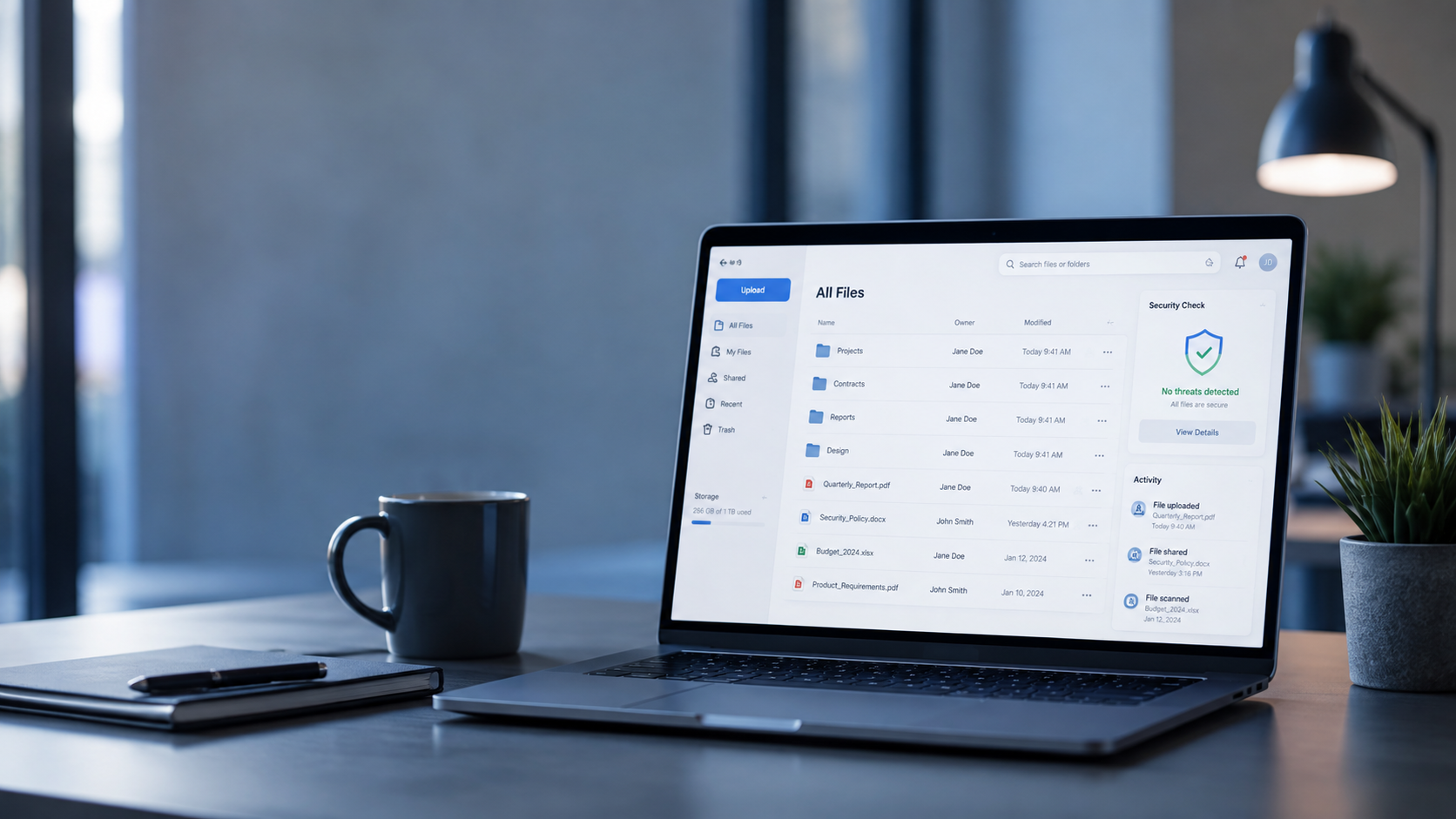
Someone searching for new software name 8tshare6a is probably looking for a straightforward answer: What is it, what does it do, and can it be trusted? At present, those questions cannot be answered with the certainty expected for an established software product.
The name appears on numerous third-party websites, but reliable public information remains limited. Searches do not reveal a clearly verifiable developer, authoritative product documentation, established download page, public code repository, or consistent description of the software. Instead, different articles assign it conflicting features, prices, platforms, and purposes.
That doesn’t prove the name is malicious or meaningless. It does mean readers should treat confident product claims cautiously. This guide separates what can reasonably be established from what remains unverified and explains how to investigate an unfamiliar program without putting your device or data at unnecessary risk.
What Is New Software Name 8tshare6a?
The most accurate description is that 8tshare6a is an unverified software name appearing in online search results. There is not enough trustworthy evidence to describe it as a confirmed commercial application, file-sharing service, media utility, cloud platform, or development package.
The available articles disagree substantially. One describes it as a cross-platform file manager and media converter with cloud storage, paid plans, specific system requirements, and integrations. Another presents it as a file-sharing application capable of large transfers, real-time collaboration, offline editing, and significant compression. A third article calls it illegitimate while simultaneously providing instructions for downloading an alleged 8tshare6a.exe installer.
These contradictions matter because genuine software normally leaves a coherent public trail. You would expect to find a named publisher, an official domain, documentation, support information, release notes, privacy terms, version history, and consistent descriptions across independent sources.
One recent article reached a similarly cautious conclusion, stating that it could not verify 8tshare6a as an official application or public Python package. That article also acknowledged that the term might be an internal project, private module, testing build, identifier, or misspelling rather than a publicly distributed product.
Why Are People Searching for 8tshare6a?
The search phrase may originate from several situations. A person might have seen the name in a download prompt, browser history, system process, error message, dependency file, social post, or autogenerated webpage. Someone may also be researching it after finding an unfamiliar installer on a computer.
Another possibility is that the term has spread because websites began publishing content around the same unusual keyword. The existence of many articles does not independently establish the existence of the product they describe. Several pages can repeat similar statements without tracing those statements back to an official source.
The name could still refer to a private or unreleased tool. Internal applications often lack public websites and searchable documentation. Without contextual evidence, however, that explanation remains only a possibility.
Why the Published Feature Claims Cannot Be Confirmed
Third-party pages attribute an unusually broad collection of capabilities to 8tshare6a. Claimed functions include file organization, cloud synchronization, media conversion, archive management, workflow automation, collaboration, encryption, device optimization, offline access, and browser-based operation.
The details are inconsistent. Some sources describe free cloud storage and monthly subscriptions. Others mention peer-to-peer transfers, mobile applications, artificial intelligence, unlimited bandwidth, or enterprise collaboration. One page claims a minimum compression reduction of 60% and support for files larger than 100 GB, but it does not provide technical documentation or reproducible testing to support those figures.
There are even articles written as personal product tests without an actual test. One page explicitly labels its first-person review a “pretend” story while presenting invented transfer speeds, devices, file sizes, and experiences. That disclosure is a strong reason not to use apparent testimonials as evidence that the software works or exists in the form described.
Until a verified publisher provides primary documentation, the following details should be considered unknown:
- The software’s purpose and actual feature set
- Supported operating systems and hardware requirements
- Free or paid pricing plans
- Cloud storage capacity
- Encryption methods and security architecture
- Mobile, browser, or desktop availability
- Integrations with other services
- Installer filenames and download locations
- Ownership, licensing, and customer-support arrangements
How to Investigate an 8tshare6a Download Safely
An unfamiliar filename is not automatically malware. Developers, workplaces, schools, and IT departments sometimes use internal naming systems that look random. Still, you should identify a program before granting it access to your files, network, account credentials, or operating system.
1. Record Where You Encountered the Name
Context is the first clue. Note whether you saw 8tshare6a in:
- A browser download window
- An email attachment or direct message
- Windows Task Manager or macOS Activity Monitor
- An installed-app list
- A Python project or dependency file
- A workplace portal
- A pop-up advertisement
- An antivirus notification
A program supplied through an employer’s managed system has a different risk profile from an executable offered through an unsolicited pop-up. Ask the organization’s administrator about internal software instead of relying on unrelated search articles.
2. Identify the Publisher Before Downloading
A legitimate download page should clearly identify the person or legal organization responsible for the software. Look for a consistent company name, working support channel, privacy policy, terms of use, release history, and documentation.
Do not treat a page as official merely because it uses the product name in its domain, page title, or download button. Search separately for the named publisher and check whether reputable directories, package repositories, app stores, or technical communities recognize it.
Google’s own safety guidance recommends avoiding suspicious download pop-ups and visiting a program’s official website directly instead. It also advises users to pay attention to Safe Browsing warnings rather than disabling or ignoring them.
3. Look for a Consistent Product Trail
A real public product does not need to be famous, but its basic details should fit together. Compare the name, publisher, version number, screenshots, operating-system support, documentation, and installer information across sources.
Be cautious when every article describes a slightly different product. In the case of 8tshare6a, available pages variously present it as a download directory, file manager, media converter, cloud platform, collaboration suite, peer-to-peer sharing tool, and potentially illegitimate application.
4. Inspect the File Without Running It
If a file is already on your device, do not open it merely to discover what it does. Start by recording its full filename, extension, size, download source, creation date, and folder location.
On Windows, check the file’s Properties panel for a Digital Signatures tab and publisher information. Microsoft explains that Smart App Control evaluates an application’s reputation and may also check whether it has a valid signature. An unsigned or invalidly signed application can be treated as untrusted.
A valid signature is useful evidence, but it should match the publisher you expected. A vague, unrelated, expired, or invalid signature is not reassuring.
5. Do Not Override Security Warnings Casually
Some third-party 8tshare6a guides suggest disabling antivirus protection when an installer is blocked. That is unsafe advice when the developer and file have not been authenticated.
Microsoft’s app and browser controls are specifically designed to evaluate downloads, unsafe files, potentially unwanted applications, phishing pages, and untrusted programs. Treat a warning as a reason to investigate—not as an obstacle to bypass.
On macOS, Gatekeeper checks whether software distributed outside the App Store comes from an identified developer, has been notarized, and appears unaltered. Apple recommends opening software from reliable sources rather than bypassing these protections for an unknown application.
6. Scan the Device If the Program Is Already Installed
If 8tshare6a appeared without your knowledge, disconnecting from sensitive accounts while you investigate may be prudent. Run an updated security scan and review recently installed applications, browser extensions, startup programs, and account activity.
Do not delete random system files solely because their names look unfamiliar. Removing the wrong component can damage a legitimate application or operating-system feature. Quarantine suspicious items through your security software or seek help from a qualified technician when the file’s role is unclear.
Change important passwords from a separate trusted device if you have evidence of account compromise, unexpected browser redirects, unknown remote-access activity, or unauthorized transactions.
Warning Signs in Unverified Software Articles
A page deserves extra scrutiny when it contains several of these patterns:
- Detailed features without links to primary documentation
- Exact prices without an official pricing page
- An “official website” instruction without naming or linking that website
- Security claims such as end-to-end or military-grade encryption without technical details
- Recommendations to disable antivirus or ignore browser warnings
- Testimonials that cannot be traced to identifiable users
- Identical specifications repeated across unrelated websites
- Download buttons hosted by generic file-sharing services
- No developer identity, support history, or release notes
- Claims that contradict other pages about the same product
No single sign proves deception. Together, however, they make the content unsuitable as a basis for installing software.
Is 8tshare6a a Python Package?
There is currently no reliable evidence that 8tshare6a is a recognized public Python package. A strange name inside a Python project could represent a private module, local script, generated directory, test component, or misspelled dependency.
Check the project’s requirements.txt, pyproject.toml, lock file, import statements, and documentation. A public package should normally have a traceable repository or registry entry identifying its maintainers, versions, dependencies, and source distribution.
Avoid installing a guessed package name simply because an error message says a module is missing. Package-name confusion can lead users to install unrelated code. Confirm the exact dependency with the project owner or original documentation first.
Who Should Proceed—and Who Should Stop?
A workplace developer or administrator may continue investigating when the name comes from a known internal project and its owner can verify the file. Security professionals may also examine unknown software in a properly isolated environment using established analysis procedures.
General users should stop before installation when no publisher can be identified, the download came from an unsolicited message, security software raises a warning, or a webpage asks them to disable protective tools.
The potential benefit of an unknown utility rarely justifies exposing personal documents, saved passwords, payment information, or business data.
Safer Alternatives to an Unverified Tool
Choose software according to the task you actually need to complete. For basic file management, start with your operating system’s built-in tools. For cloud storage, compression, media conversion, collaboration, or file transfer, select a product with a verifiable publisher, clear documentation, active support, and a transparent update history.
Established distribution channels do not eliminate all risk, but they provide more accountability than an unidentified executable linked from a generic article.
What Would Make 8tshare6a Verifiable?
The assessment could change if a genuine developer publishes a consistent official presence. Useful evidence would include a named legal publisher, documented product purpose, version history, signed installers, privacy terms, support information, security documentation, and listings in recognized repositories or app stores.
Until those elements can be connected to the same organization and product, detailed claims about 8tshare6a should remain clearly labeled as unverified.
FAQs
1. What is new software name 8tshare6a?
It is an unverified software name found on multiple third-party webpages. Available sources do not consistently identify its developer, purpose, official website, or distribution channel. Some describe a file manager or sharing platform, but those descriptions are unsupported by authoritative product documentation.
2. Is 8tshare6a safe to download?
Its safety cannot currently be confirmed. Do not download or run an installer unless you can verify the publisher, official source, digital signature, version, and documentation. A security scan is useful, but it does not replace confirmation that the file came from the genuine developer.
3. Is there an official 8tshare6a website?
No clearly verifiable official website was identified during research for this article. Several pages tell readers to use the “official website” without consistently naming it or establishing who operates it. Treat any site making that claim as unverified until the publisher’s identity can be independently confirmed.
4. What should I do if 8tshare6a is already on my computer?
Do not open it unnecessarily. Record its location, inspect its properties and publisher information, run an updated security scan, and check how it was installed. If it appeared unexpectedly or triggers security alerts, quarantine it through your security software and consult a trusted technician.
5. Does 8tshare6a offer file sharing, cloud storage, or media conversion?
Various articles claim that it does, but those features have not been confirmed through primary documentation. The same applies to claims about encryption, collaboration, automation, storage limits, integrations, and subscription plans. They should not be presented as established product capabilities.
6. Is 8tshare6a available for Windows, macOS, Linux, or mobile devices?
Several webpages list different combinations of supported systems, but no authoritative compatibility page has been located. Do not rely on those lists when deciding whether to download a file. Confirm compatibility through verified documentation from the actual publisher.
7. Could 8tshare6a be legitimate internal software?
Yes, that is possible. Businesses and development teams sometimes use internal applications that do not appear in public search results. If the name came from your employer, school, client, or software project, ask the responsible administrator or maintainer to confirm its origin and purpose.
Conclusion
The safest answer to the search for new software name 8tshare6a is not a speculative feature list. It is an acknowledgment that the product’s identity, developer, capabilities, pricing, compatibility, and download source remain unverified.
The online articles discussing it provide contradictory descriptions and, in some cases, unsupported technical details or fictional experiences. That makes them unsuitable evidence for deciding whether to install a file.
Treat 8tshare6a as an unidentified name until a credible publisher and official documentation can be established. When software cannot be traced to a responsible developer, caution is more useful than curiosity—especially when installation would grant access to your device or personal information.
Read more: Software Name MeetShaxs: What It Is and What’s Verified